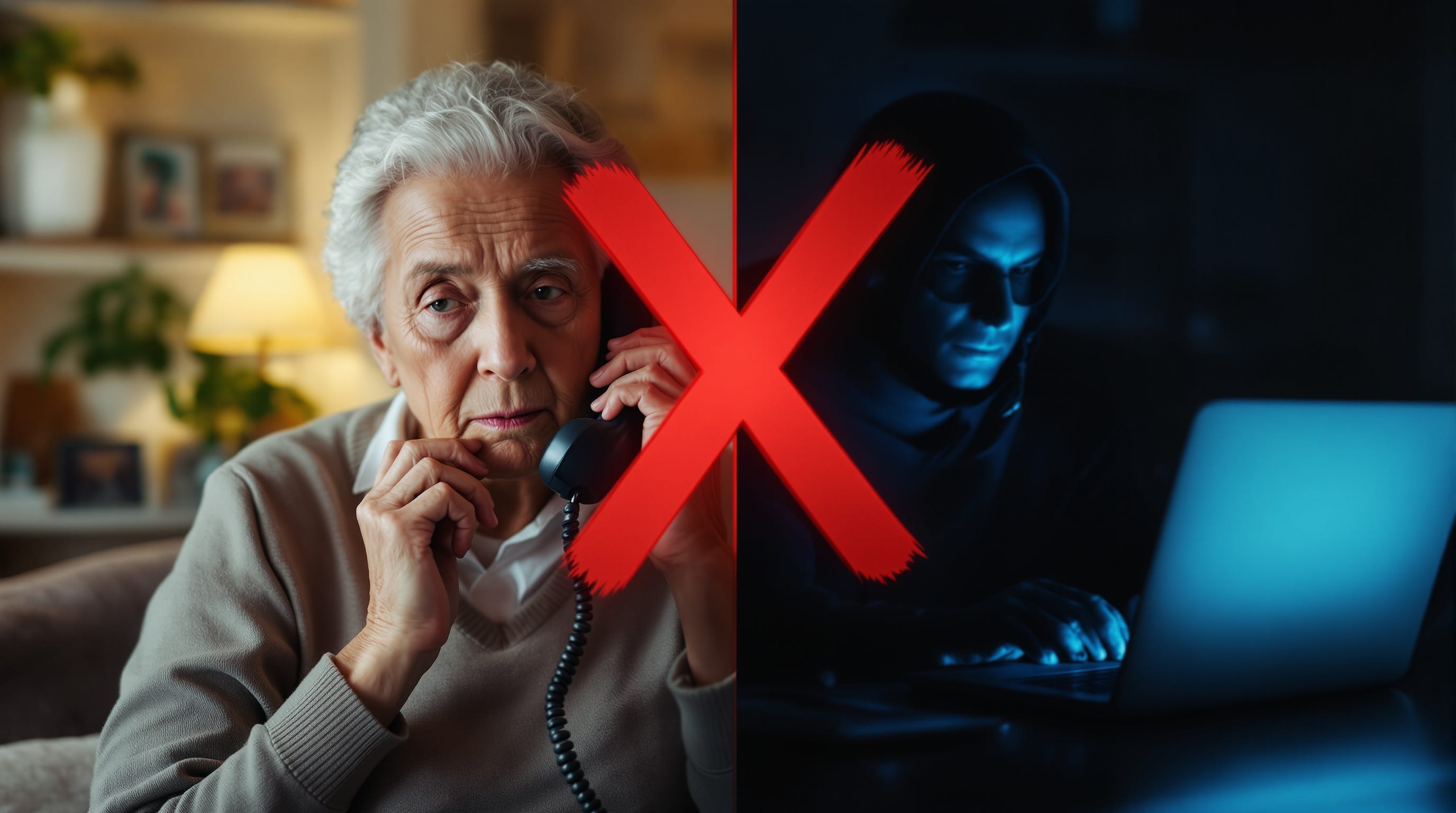
Grandparent Scam' Warning: Holiday Emergency Calls That Aren't Real
And what to do if you get that call
The phone rings. You answer, and a frantic voice says, “Grandma, it’s me. I’ve been in a terrible accident. I’m in jail and I need help. Please don’t tell Mom and Dad, they’ll be so upset. Can you send money for bail right now?”
Your heart races. Your grandchild sounds terrified. Every instinct tells you to help immediately. But here’s the truth: that desperate voice might not be your grandchild at all.
This is the grandparent scam, and it’s devastatingly effective worldwide. In 2024, Americans over 60 alone lost nearly $4.9 billion to scammers, with losses averaging $83,000 per victim. Similar patterns are reported globally, from Canada to the UK, Australia to Europe. During the holiday season, when emotions run high and families are scattered across countries, these scams spike dramatically. AARP
Law enforcement agencies worldwide warn that scammers specifically target the holidays because grandparents are more likely to be home, more emotional about family connections, and more willing to act quickly to protect loved ones.
How the Scam Actually Works
The grandparent scam preys on your love for your family. Here’s the typical script scammers follow, whether you’re in New York, London, Sydney, or Toronto:
The Opening Hook:
The phone rings, often early morning or late evening when you’re less alert
A voice says “Hi Grandma” or “Hi Grandpa, do you know who this is?”
When you guess, “Is this Michael?” the scammer now knows your grandchild’s name
They confirm: “Yes, it’s Michael. I’m in trouble.”
The Crisis: The scammer creates urgent scenarios designed to bypass your common sense:
“I was in a car accident and someone was hurt”
“I got arrested and I’m in jail”
“I’m traveling abroad and got mugged, I lost everything”
“I hit a parked car and the owner wants cash immediately”
“I’m stuck at the border and need money for fees”
The Pressure Tactics:
“Please don’t tell Mom or Dad, they’ll be so disappointed in me”
“I only get one phone call, I called you because I trust you”
“The bail is due in the next hour or I’ll be stuck here all weekend”
“I’m scared and I need your help right now”
The Money Request: Scammers demand payment in ways that are nearly impossible to trace or recover:
Gift cards (iTunes, Amazon, Google Play, Steam)
Wire transfers (Western Union, MoneyGram, Wise)
Cryptocurrency (Bitcoin, Ethereum)
Cash delivered by courier who comes to your home
Bank transfers to foreign accounts
Payment apps (PayPal, Venmo, Cash App, Revolut)
The Accomplice: Often, a second person gets on the phone claiming to be:
A police officer or border agent
A lawyer or solicitor
A hospital administrator
A bail bondsman
An embassy official
This person sounds official and adds legitimacy to the story. They may use legal jargon, badge numbers, or case reference numbers. Everything sounds convincing.
The New AI Twist: Voice Cloning
In 2023, a Maryland man lost $38,000 when scammers used AI technology to clone his granddaughter’s voice from social media videos. The voice sounded exactly like her, down to the way she said “Grandpa.” CBS News
Voice cloning technology now allows scammers to:
Create convincing audio from just a few seconds of someone’s voice
Use TikTok videos, Instagram stories, or YouTube clips as source material
Replicate emotional tones like crying or fear
Make the call sound incredibly authentic
Clone voices in any language
This technological advancement makes the grandparent scam more dangerous than ever, regardless of where you live.
Red Flags: How to Spot the Scam
Even when the voice sounds real and the story seems plausible, watch for these warning signs:
Immediate Red Flags:
Requests for secrecy: “Don’t tell anyone, especially not my parents”
Unusual payment methods: Gift cards, wire transfers, cryptocurrency, or cash pickup
Extreme urgency: “You have to send money in the next hour”
Vague details: The caller can’t provide specific information about family events
Phone number issues: The call comes from an unknown, blocked, or international number
Background noise: Claims of being in jail but you hear no typical institutional sounds
Language oddities: Your grandchild sounds different or uses unusual phrases
Payment Red Flags:
Any mention of gift cards for bail, legal fees, or official payments (no legitimate authority accepts these)
Requests to send money through apps to people you don’t know
Instructions to lie to bank staff about why you’re withdrawing large amounts
Couriers coming to your home to pick up cash or packages
Requests for account passwords or PIN codes
Pressure to send money before verifying the story
The Questions That Stop Scammers Cold
When you receive an alarming call, pause and ask questions that only your real grandchild would know:
Personal History Questions:
“What’s your middle name?”
“What’s the name of your childhood pet?”
“Where did we go on holiday two summers ago?”
“What did I give you for your last birthday?”
“What’s your mother’s maiden name?”
“What nickname do I call you?”
Recent Event Questions:
“What did we talk about the last time we spoke?”
“When is your sister’s birthday?”
“What’s your best friend’s name?”
“What did we have for dinner when you last visited?”
The Trick: Real scammers will make excuses, get angry, or hang up. They might say:
“I can’t think straight, I’m too upset”
“Grandma, you’re wasting time with these questions”
“I have a cold, that’s why I sound different”
“I’m using someone else’s phone, that’s why the number is different”
A real grandchild will answer these questions, even under stress.
What to Do When You Get the Call
Follow this step-by-step protocol to protect yourself:
Step 1: Stay Calm and Don’t Act Immediately Take a deep breath. Scammers count on panic. No legitimate emergency requires you to send money within minutes.
Step 2: Ask Verification Questions Use the personal questions listed above. Don’t accept vague answers or excuses.
Step 3: Hang Up and Call Directly
End the call politely
Call your grandchild’s actual mobile number (the one you have saved)
If they don’t answer, call their parents or siblings
Send a text asking them to call you about an urgent matter
Try social media messaging, WhatsApp, or email
Step 4: Use a Family Code Word Establish a secret code word with your grandchildren in advance. If someone calls claiming to be them, ask for the code word. No code word means no money.
Step 5: Never Send Money Through:
Gift cards of any kind
Wire transfer services
Cryptocurrency
Cash to couriers or strangers
Payment apps to people you don’t know personally
Bank transfers without verification
Step 6: Contact Authorities If Uncertain If you’re genuinely not sure whether the emergency is real:
Call your local police non-emergency number
If they claim to be detained, ask which station and call that station directly to verify
Contact your country’s consulate if they claim to be abroad
They can check within minutes whether there’s a real issue
Real Story: How One Grandmother Avoided Disaster
Margaret, 72, from Ohio, received a frantic call from “her grandson Jason” saying he’d been arrested after a car accident. A “police officer” got on the line requesting $15,000 bail via wire transfer.
Margaret asked: “What’s your dog’s name?”
The caller fumbled: “Uh, Buddy?”
Wrong. Jason’s dog is named Cooper. Margaret hung up, called Jason’s real number, and found him safe at work. The scammers tried calling back three more times that day.
Because Margaret asked one simple question, she kept her money and her peace of mind.
In another case, twenty-five Canadians were charged with swindling hundreds of American seniors out of more than $21 million through grandparent scams (source NPR ). These are international, sophisticated criminal operations.
What To Do If You’ve Already Sent Money
If you realize you’ve been scammed, act immediately. Time is critical:
Within Minutes:
Contact your bank or credit card company if you used a card, check, or bank transfer
Contact the wire transfer company:
Western Union: Check their website for your country’s contact number
MoneyGram: Find local contact on MoneyGram.com
Wise (TransferWise): Contact through their app or website
Contact the gift card company and report the card numbers as fraudulent
Google Play, Apple, Amazon all have fraud reporting systems
Request a stop payment on any checks or transfers that haven’t cleared
Freeze your accounts temporarily if you shared account information
Within Hours:
6. Report to your local police and get a crime reference number 7. Contact your national fraud reporting center:
This varies by country, search “[your country] report fraud” or “consumer protection fraud”
Report to your bank’s fraud department with the police reference number
Protecting Yourself Year-Round
Create a Family Safety Plan:
Establish a code word with grandchildren that only you know
Save all grandchildren’s phone numbers in your contacts (including international numbers if they’re abroad)
Know their schedules (if they’re traveling, you’ll already know)
Stay in regular contact through calls, texts, WhatsApp, or video chats so unusual calls stand out
Create a family group chat where you can quickly verify emergencies
Limit Social Media Information: Scammers gather information from Facebook, Instagram, TikTok, and other platforms. Review your privacy settings:
Don’t post grandchildren’s full names
Avoid sharing birthdays, schools, or locations
Make your posts visible to friends only, not public
Be careful about accepting friend requests from strangers
Review what others can see when you’re tagged in their posts
Guard Your Personal Information:
Never confirm names or relationships when a caller asks “Do you know who this is?”
Don’t share family details with strangers
Be cautious about online directories that list names, ages, and addresses
Don’t post travel plans publicly (”Away on holiday Dec 20-30”)
Trust Your Instincts: If something feels wrong, it probably is. Legitimate emergencies can wait 10 minutes for you to verify the facts. Real lawyers, police officers, and officials will understand your need to verify.
Holiday-Specific Tips
Scammers know December is prime time for these schemes worldwide. Extra precautions during the holidays:
When Grandchildren Are Traveling:
Get their itinerary ahead of time
Establish check-in times across time zones
Know which family members are traveling together
Have emergency contact numbers for where they’re staying
Know which countries they’re visiting (scammers often claim detention at borders)
During Family Gatherings:
Discuss scams openly at holiday dinners
Share this article with relatives
Establish family code words together
Make it okay to ask for help verifying suspicious calls
Set up family group chats for quick verification
When You’re Alone:
Keep a list of family phone numbers (including international contacts) by your phone
Call a neighbor or friend if you get a suspicious call and need someone to talk it through
Don’t let holiday loneliness make you vulnerable to emotional manipulation
Remember: Real emergencies can wait for verification
International Families: If your grandchildren live in different countries, scammers may exploit:
Time zone confusion (”I can’t call during normal hours”)
Unfamiliarity with foreign legal systems
Language barriers (”I need a translator, that’s why this person is on the line”)
Border detention claims
Embassy or consulate impersonation
Always verify by calling the actual embassy or consulate if someone claims to be an official.
Talk to Your Family
Don’t be embarrassed to bring this up. Smart, careful people fall for these scams every day because they’re designed by international criminal professionals who understand human psychology.
Tell your grandchildren: “If you ever really do get in trouble, anywhere in the world, I want to help. But I’m also going to verify it’s really you before I send money. That’s not because I don’t trust you, it’s because I love you and scammers know that.”
Tell your adult children: “I want you to know about these scams so we can protect each other. Let’s create a family code word and promise to never be embarrassed about double-checking emergency calls.”
Consider creating:
A family WhatsApp or Signal group for emergencies
A shared contact list with everyone’s real numbers
A code word that updates annually
Regular video calls so you recognize voices and faces
You’re Not Alone
These are sophisticated international criminal operations, not amateur attempts. Scam call centers operate across borders, using technology to mask their locations and identities.
Falling for a scam doesn’t mean you’re gullible or foolish. It means criminals are getting better at what they do. But now you’re prepared. You know the warning signs. You have verification questions ready. You know who to call.
Your love for your grandchildren is beautiful. Don’t let scammers weaponize that love against you.